Showing posts with label dementia. Show all posts

Wednesday, April 2, 2014

Study Shows That Being Bilingual Delays The Onset of Dementia


http://www.medicalobserver.com.au/news/speaking-two-languages-may-delay-dementia-onset

In one of the largest studies of its kind, scientists have concluded that being bilingual can delay the onset of several different types of dementia by an average of four and a half years.

The benefits of speaking two languages is not a new concept. The collective benefits of bilingualism are described as "an improved executive function." Broken down, those functions include: memory, focus, planning, and problem solving. The study shows that the benefits apply to many types of dementia including Alzheimer's, vascular dementia, and frontotemporal dementia.

The study, published in the journal Neurology, was conducted in Hyderabad, India and included 648 patients from a local hospital memory clinic. Many feel that conducting the study in Hyderabad lends tremendous credibility to the results. That particular region of India is a cultural melting pot where many different languages are spoken. All of the subjects of the study would have been surrounded by different languages their entire lives with some choosing to work towards fluency. It was the fluency that made the difference.

The authors of the study explain that "the constant need of a bilingual person to selectively activate one language and suppress the other is thought to lead to a better development of executive functions and attentional tasks." In short, having to choose between two languages makes our brains stronger.

But before you run out and buy the Rosetta Stone programs for every language from Aari to Zyphe, the study does suggest that there is no apparent benefit to speaking more than two languages. So pick two and stick with 'em!

For more on this study:

http://www.neurology.org/content/early/2013/11/06/01.wnl.0000436620.33155.a4

Monday, February 24, 2014

The Truman Show


'What if everything you knew to be true turned out to be a lie?'

Such was the question that the movie The Truman Show posed. In the film, the main character lives in a completely fabricated reality. Everything from the relationships he shares to the experiences he has are elaborately scripted and engineered products intended to please a watching television audience. Truman's entire life is lived inside the bubble of a giant dome which houses his "town." His friends, his family, even his wife are all actors, paid to play their part. Ultimately, this ruse is revealed to be nothing more than a cruel ploy to produce a television show. But what if the intentions behind a hoax were more honorable?

In the Netherlands, they have sought to answer that question.

In 2009, Hogeweyk, or Dementiaville as it has become known, opened its doors in the town of Weesp in the Netherlands. A first of its kind Alzheimer's housing concept, Dementiaville creates a world that closely resembles reality but keeps Alzheimer's and dementia patients safe. From the outside, Dementiaville looks like an ordinary town. There are shops, streets, salons, and even restaurants all designed to fabricate a normal life experience. Yet it is a fully enclosed and secure environment for the residents inside.

The living quarters within the village are designed to cater and feel completely normal to persons coming from a wide range of backgrounds. Each apartment is meticulously decorated in specific genres and is occupied by 6-8 persons including plainclothes caretakers who pass as normal residents of the village. A person of means would live in an upscale or "Goois" genre apartment thus making the transition from their authentic lives more amenable. When the resident of that apartment began to need assistance in certain areas of daily life, one of their roommates would be willing to lend a hand. Little would the resident know that their assistance would actually be coming from a qualified caregiver posing as a roommate in order to stave off any appearance of an abnormal existence.


The statistics regarding Alzheimer's and dementia are as staggering as they are tragic. While there are occasionally reports of some new wanderdrug or miracle cure on the horizon, reality for families currently dealing with this tragedy is that there is very little that can be done. Hogeweyk changes that reality. Families are now free to consider a whole new world of possibilities for the people they care most about. It may be a completely fabricated existence but to the residents of Dementiaville, it is home.

Friday, January 31, 2014

Three Easy Ways To Assess Your Risk for Alzheimer's

http://www.bizbuzpr.com/2013/10/17/handshake-etiquette/

I don't spend much of my time worrying about whether I will one day develop dementia. Even as close to the disease as I daily find myself, I refuse to spend my life paralyzed by the fear of something that I have little to no control over. Certainly, there are a million studies that point to different risk factors, warning signs, or foods to avoid in order to maintain optimal mental health; I don't put much stock in their validity. First saccharin was the culprit. Recently, the devil has been discovered in everything from buttered popcorn to drinking water from a garden hose. My wife silently judges me every morning as I sweeten my coffee with Splenda.

Nevertheless, there are three things which have been consistently found to be accurate indicators Alzheimer's disease and other forms of dementia.

1. Firm Handshake-

The cardiovascular issues that wreak havoc on the brain also weaken muscles in the extremeties. Any region of the body to which blood is not adequately flowing will necessarily weaken over time. This is readily apparent in one of the most common cultural greetings in this country: the handshake. Research by the American Academy of Neurology has shown that people with a firm handshake are 42% less likely to suffer from a stroke which can lead to certain types of dementia. My personal research has additionally shown that people with painfully weak, dead-fish handshakes are socially awkward and generally creepy to encounter.

2. Slow Walkers-

The number of different stimuli your brain must process during a physical activity such as walking is staggering. If you are a person who naturally lags behind while walking in a group it might be because your brain is already struggling to keep up the pace. A Boston University study found that people with a slower walking speed were 1.5 times more likely to develop dementia than their faster peers. This theory does not apply in New York City where any slower pedestrians are typically run over by taxis and therefore culled from the sample.

3. Sleeplessness-

A study by the Washington University School of Medicine in St.Louis found that lack of sleep can be an accurate indicator for Alzheimer's and dementia. The brain uses sleep as an opportunity to flush the toxins and proteins that can eventually lead to Alzheimer's. It therefore stands to reason that persons who get a healthy amount of sleep are less likely to be at risk for stroke and dementia. But just because you go to bed early doesn't mean that you are necessarily well rested. Many study participants who reported 8 hours of sleep were actually only getting around six actual hours of sleep due to both internal and external interruptions. So when an exhausted mother rolls over to her snoozing husband and says "If that baby doesn't stop crying and go to sleep, I just might lose my mind," she is more right than she probably realizes.

Friday, January 24, 2014

What To Do When They Don't Know That They Don't Know

http://www.schoolbusdriver.org/oldshots.html

Alzheimer's is a dark and cruel disease. It takes from people the one thing that they never consider losing: who they are. For most of our clients battling this disease, the decline is gradual. Over a period of years they become aware that their faculties are failing them more and more frequently. Things they used to know become harder and harder to recall and then vanish completely from their minds. While the toll exacted by this tragic final chapter to some lives' journeys is primarily taken on the life of the patient, the painful difficulties it presents for surrounding loved ones can be equally heartbreaking.

Ronald Reagan once joked about his own diagnosis. "The nice thing about Alzheimer's disease is that you meet so many new friends." This cheerful disposition is not uncommon. For many, the disease begins as nothing more than an increasing forgetfulness; easily to explain and comprehend. For others, there is no awareness of what is happening. These individuals present the greatest challenge to their families in a multitude of ways.

One of our clients who passed away from complications of this disease was a friend of mine.  He was a man with an amazing intellect who, to the very end, could recall intricate details of some aspects of his amazing life. However, he couldn't tell you where his wife was. The fact that she died some ten years before was lost to him. Each day he would ask for her. Each day his family was faced with a cruel dilemma. They could either lie to their father or tell him the truth. While telling him the truth seemed to be the right thing to do, doing so meant that he would relive the tragedy of losing his partner of 45 years. Each time he was told was the first time he heard the news. Eventually, his family got into the habit of just telling him that she had gone out to the store and would be back in a few minutes. His memory of her never waited that long.

For an Alzheimer's patient, truth is relative. There is no right or wrong answer. For an Alzheimer's patient, life exists increasingly in the here and now. Our challenge as family members and loved ones is to attempt to join them wherever they are in that journey. We train our caregivers with that goal in mind. The objective of every day is not to bring a client up to speed on current events. We do not seek to heroically pull someone from the jaws of Alzheimer's. Moments of radical clarity will happen occasionally and we celebrate them when they present themselves. But for all the other moments, for the rest of the days, our goal is to figure out where a client is and meet them there.

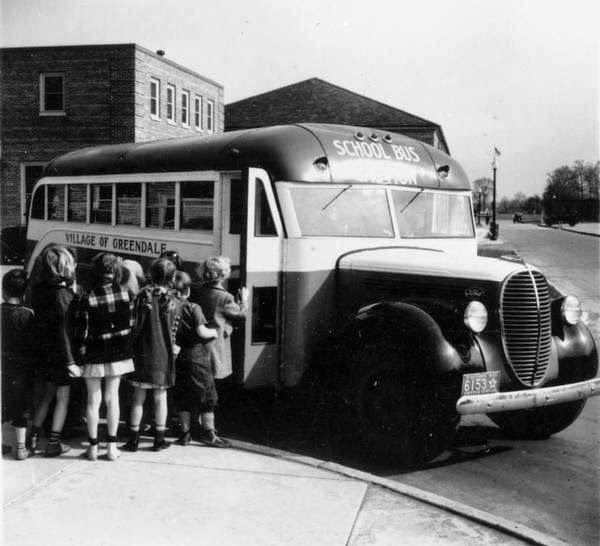
When a 93yr old woman tells me on a cold January morning that she needs to get her shoes on, her lunch packed and her backpack ready so that she doesn't miss the bus to school, my challenge should never be to convince her that the bus is not coming. My challenge should be to figure out how to get on that bus with her, even if only in her mind.


Tuesday, October 29, 2013

Unconditional

Take three minutes and twenty three seconds out of your day and be in awe of love. This video is a beautiful picture of how we are called to love each other not only as spouses but as friends, neighbors, coworkers, strangers, and even enemies. We love because he first loved us. "You see God has loved us so unconditionally and I understand that God has put his love in my heart. And because I realize how much God has loved me that's how I too can love my lovely wife."

Tuesday, October 22, 2013

Poor Sleep May Increase Risk For Alzheimer's


What happens when we sleep? We dream. We recover. We plan. We rest. During this all important 'down time' our brains and our bodies are flushing out toxins and chemicals in a manner which is impossible while we are awake. This is one reason why people tend to feel lousy if they haven't gotten enough sleep. I can remember my mom insisting that I go to bed early the night before a big test in high school. I didn't appreciate it much then. Nowadays, I would kill for a nap or an early bedtime. George Bernard Shaw was right. "Youth is wasted on the young."


In a recent study at Johns Hopkins Bloomberg School of Public Health in Baltimore, scientists have made some fascinating discoveries regarding sleep and Alzheimer's. One of the brain's critical functions during sleep is to rid itself of toxic chemicals and proteins. One of these toxic proteins, Beta-Amyloid, is the protein which leads to the plaques and tangles of Alzheimer's disease. After studying 70 patients, scientists found that those who slept less or had lesser quality sleep had higher levels of beta-amyloid present in their brains.

Now begins the chicken and the egg conversation. Scientists are not sure whether poor quality sleep is an early indicator of Alzheimer's or whether those people with poor sleep habits are placing themselves at a greater risk of developing Alzheimer's disease. Those studies will almost certainly follow. For now, it should remind us all of the importance of getting a good night's rest.

http://www.dailymail.co.uk/health/article-2470255/Alzheimers-linked-poor-nights-sleep.html

Friday, October 11, 2013

New Program Pairs Seniors with Dementia and Preschoolers

A special program in New York is pairing elders with dementia and young people. At a custom-designed facility in Mt.Kisco, New York, seniors who are struggling with dementia spend their days working with preschoolers. "The kids look right past the dementia, connecting instead with the people who have gotten lost underneath."


"My Little Friends," directed by Megan Mylan from David Shenk on Vimeo.

Thursday, October 10, 2013

A Possible Cure For Alzheimer's AND Parkinson's AND Huntington's?


Gone are the days of sensational headlines created only to assist newspaper hucksters in their quest sell the most copies. Well...wait...uhm...

News broke early this morning about an exciting discovery in the world of science. A chemical has been discovered which has been shown to stop brain deterioration. Let me say that again. The chemical stops the deterioration of the brain.

Every day it seems like there is someone new standing on a rooftop claiming that their vitamin or food additive or diet program or brain therapy is the next big thing in the fight against Alzheimer's. These outrageous claims are typically only rivaled by the ever-increasing list of foods, chemicals, technologies, and TV programs that we should avoid because they undoubtedly cause Alzheimer's. In Reality-ville, where I live most of the time, no one knows what causes Alzheimer's and no one knows how to stop it.

However, when all of the people who typically disregard Chicken Little start looking up at the sky it is worth taking notice.

In Alzheimer's and Parkinson's and Huntington's diseases, something goes wrong with specific proteins in the brain. The brain's natural response to this foul up is to stop producing proteins. This "chemical helps brain cells ignore the broken proteins, keep functioning and stay alive."

Perhaps what is so exciting about this discovery are the potential ramifications of the chemical. While scientists are quick to caution that even if successful it could still be a decade before it is available, there is a distinct possibility that they have have found a way to beat Alzheimer's, Parkinson's and Huntington's. And that is worth shouting about.

So EXTRA EXTRA READ ALL ABOUT IT!!

http://www.bbc.co.uk/news/health-24478942

Monday, October 7, 2013

Preventing Alzheimer's. Is It About to Become a Reality?


Scientists at the Center for Alzheimer's Research and Treatment at Brigham and Women's Hospital in Boston are about to embark on one of the most anticipated, longest Alzheimer's drug studies in history. The study will be conducted on 1,000 subjects over a three year period at a cost of well more than $100 million. They are just hoping they can find enough people.

The folks they are looking for must already have amyloid building up in their brains but aren't currently showing any symptoms of Alzheimer's. The idea is to treat the amyloid proteins with an experimental drug before they become toxic and turn into the dreaded plaques and tangles that scientists have been battling for years in the fight against Alzheimer's disease.

In order to find the 1,000 participants, the directors of the study anticipate that they will  need to screen about 5,000 people throughout the United States and Canada. They are also exploring the possibility of a site in Australia. To qualify, participants in the study must be at least 65 yrs old, willing to take a drug or placebo, willing to get a genetics test, willing to have a brain scan done twice a year, and willing to answer all kinds of questions about every facet of how they live their lives.

In previous clinical trials, the drug being tested showed promise in slowing the effects of mid-stage Alzheimer's symptoms. This success, in addition to the size and scope of the study, has turned a number of heads in the scientific community who will be watching the results very carefully.

One of the frustrating aspects of dealing with the disease is that most of the work is being done in the proverbial rear-view mirror. Since there is no way to predict where the disease will appear, scientists are forced to study patients who have already begun to manifest symptoms. The hope of this new study is that it will give doctors a glimpse at not only the effectiveness of the new drug but also a window into the way the disease develops. Perhaps it will at last show them how to prevent the disease from developing entirely. Perhaps.

http://capeandislands.org/post/new-study-will-test-possibility-preventing-alzheimers

Friday, September 13, 2013

Yes, I Am a Total Nerd.


I have never shied away from my identity as a nerd. My wife enjoys teasing me about many of the idiosyncrasies that comprise this peculiar person that I am. In high school, one of my best friends and I defiantly drove across the Texas desert with the sunroof open in my Saturn SC2, blaring the soundtrack to Apollo13 so loudly that one of the rear speakers blew out during the launch sequence. Rebels. I own, and have listened to frequently, John Tesh's Live at the Red Rocks album. Hardcore. Within the last twenty four hours, I have worked out to the pounding rhythms of Stephen Sondheim's Sunday in the Park With George. When I was a given a Sony Discman for my birthday many years ago, my first two CD purchases were Beethoven's 5th Symphony and Kenny G. (Ok I guess that one may have taken it a bit too far.) If my wife were contributing to this I have no doubt that she would have several descriptive scenarios to add. Regardless, I am in fact a nerd.

It stands to reason that I get excited about nerd things. For instance, Home Instead Senior Care has just launched an Alzheimer's and Other Dementia app for iphone users which is AMAZING. As you may or may not know, September is World Alzheimer's Awareness Month and we have been out doing our best to educate the masses. Our family caregiver educational program not only highlights the different types of dementia but prepares families for "real world" situations that they face each and every day. While it may be frustrating to listen to someone with dementia tell the same story over and over again we found that most of our families really just needed help with things like getting their loved one to take a bath. This new app is beautifully organized to give families quick information when they are facing difficult behaviors. The situations are all laid out by category and contain quick tips and suggestions when those difficult moments arise. Additionally, there are great opportunities to leave feedback, encouragement, and tips of your own for other caregivers who are facing some of the same challenges.

This app is an extension of a new book, Confidence to Care: A Resource for Family Caregivers Providing Alzheimer's Disease or Other Dementias Care at Home, which was written by my good friend Molly Carpenter. Molly has been at the forefront of Home Instead's pioneering work on Alzheimer's education. It is exciting to be a part of a company that is not only putting out phenomenal free resources in the fight against Alzheimer's but also to be a part of a company that recognizes the many different vehicles which must now carry information to the public. Nerds everywhere rejoice! There's now an app for that.

Wednesday, September 4, 2013

Grande Pumpkin Spiced Latte and a Healthy Brain

If you are a coffee aficionado, or are married to one as I am, you will no doubt have seen the ubiquitous social media postings about the return of fall in the form of the Pumpkin Spiced Latte to your neighborhood coffee shop. Nevermind that it is still blisteringly hot here in Chapel Hill, coffee addicts swarm in order to obtain a steaming reminder that fall is right around the corner. In an effort to improve my health, I have recently stopped drinking coffee but after reading a recent article about the health benefits of my former morning nectar I am reconsidering my choice.

Coffee has been shown in several notable studies to lessen the effects of Alzheimer's Disease, reduce the occurrence of Parkinson's Disease, stave off dementia, help you to live longer and is the number one source of antioxidants in the US diet. Perhaps the sugar laden Pumpkin Spiced Latte is not the optimal vehicle to obtain this panacea of health benefits but far be it from me to pour cynicism on someone cup of sunshine. Cheers!

http://blog.positscience.com/2013/07/19/5-surprising-brain-benefits-of-drinking-coffee/